Salem Azzam and Afghanistan
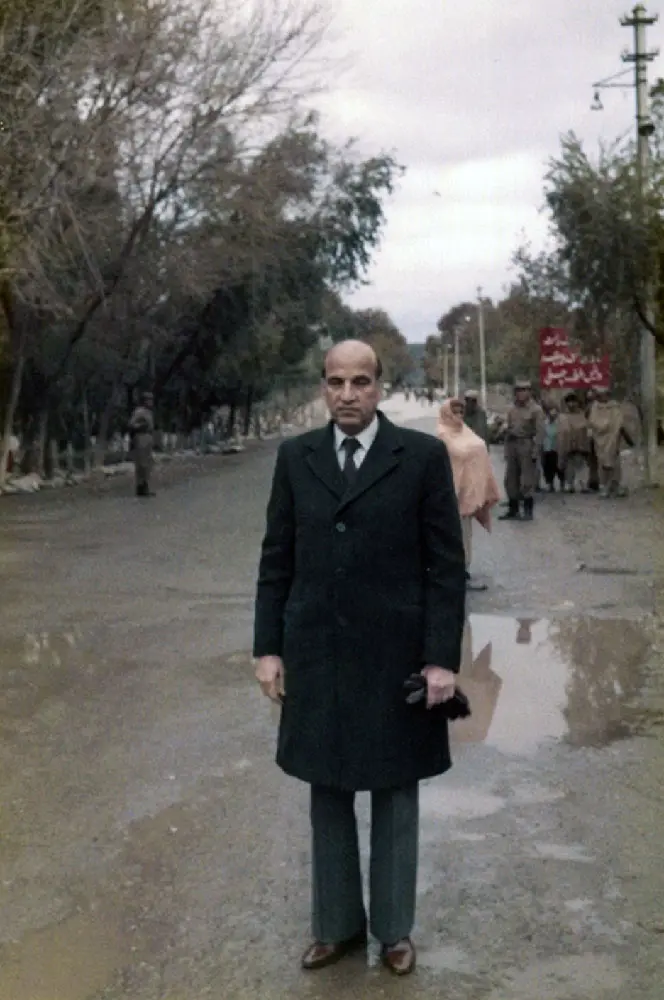
One of the great achievements of Ustadh Salem Azzam was his unifying the Afghan Mujahideen against the Russian occupation. The Jihad in Afghanistan was sounded at a critical period, the Atheistic and Oppressive Soviet Empire was beginning to wane, the Islamic Awakening was in full stride and the consciousness of the Ummah was being in kindled by the speeches of scholars and the rifles of heroes. However, as is often the case divisive partisanism and petty sectarianism weakened the ranks of the Islamic Movement even in the wake of the Soviet invasion of Afghanistan.
Introduction
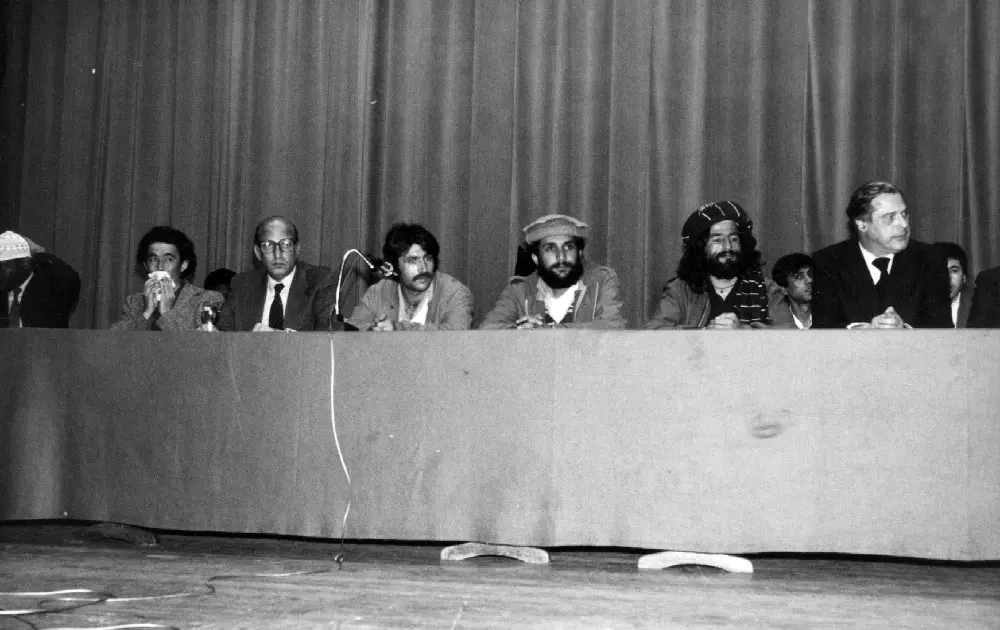
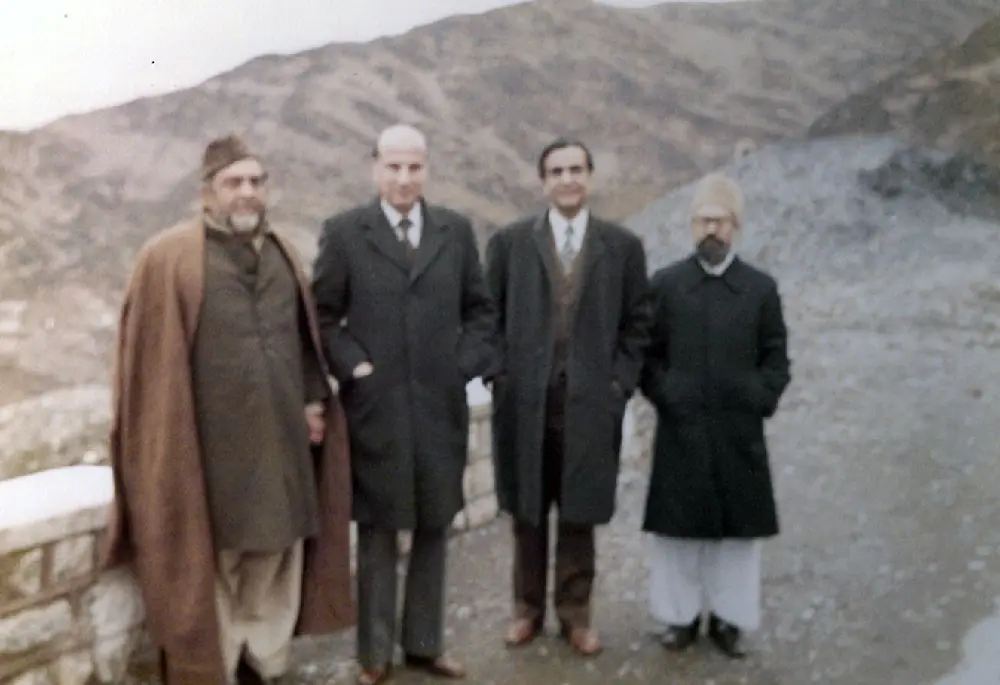
In response to this it was Ustadh Salem Azzam who went to meet with the Afghan Mujahideen and united them into a single front known as the ‘Unity of Afghan Mujahideen’. Thus, Ustadh Salem managed to bring together 5 of the leading Islamic Groups in Afghanistan:
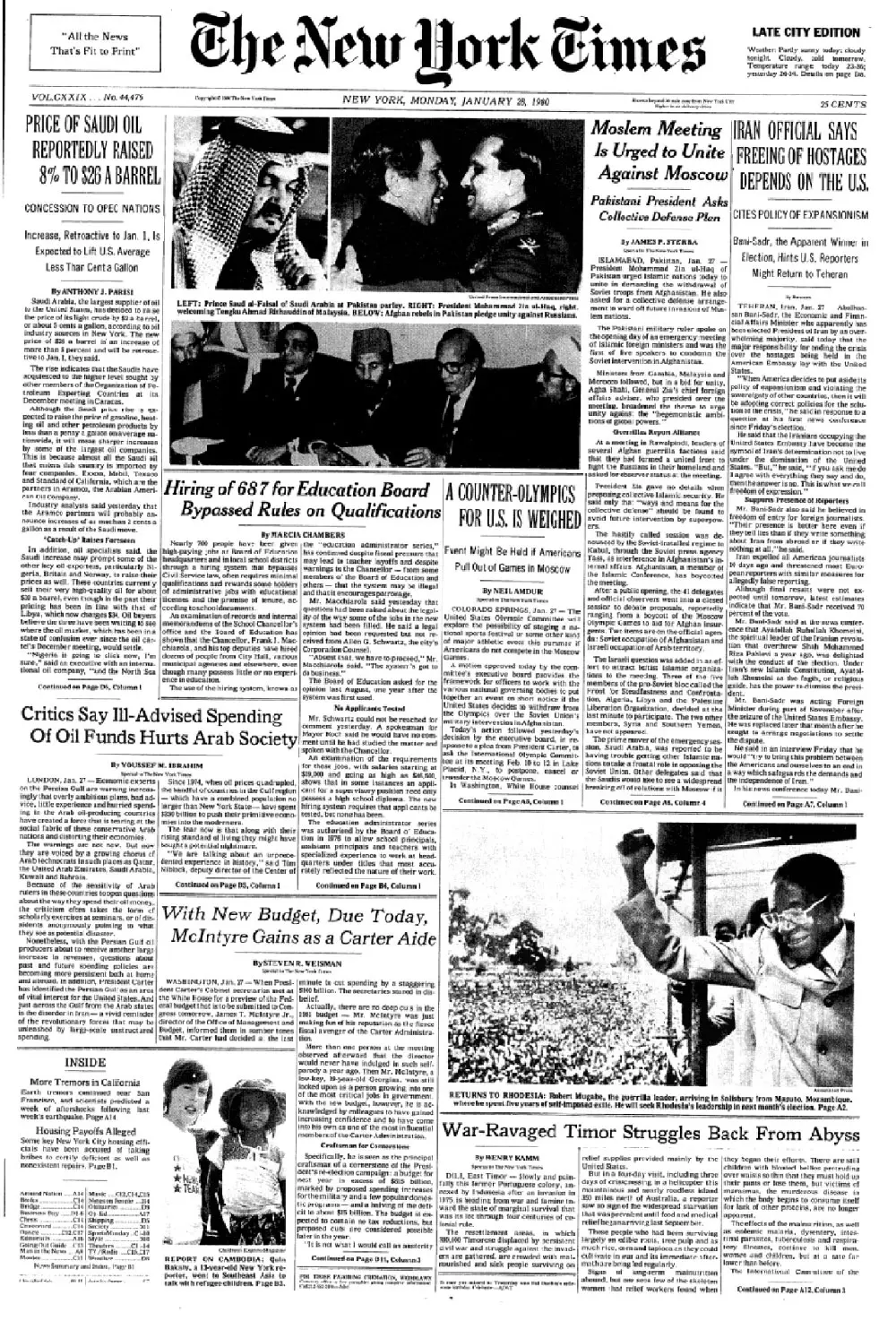
So profound and important was this effort of unification that it featured on January 28th, 1980, on the Front Page of the New York Times newspaper. The US embassy in London would also issue a telegram on February 14th 1980 to the US Department of State about the development whilst being cautious about Ustadh Salem’s initiative given his pro-Khomeini stance and what they described as ‘stridently anti-Camp David’ position and what is to be believed to be his ‘Muslim Brotherhood background’.
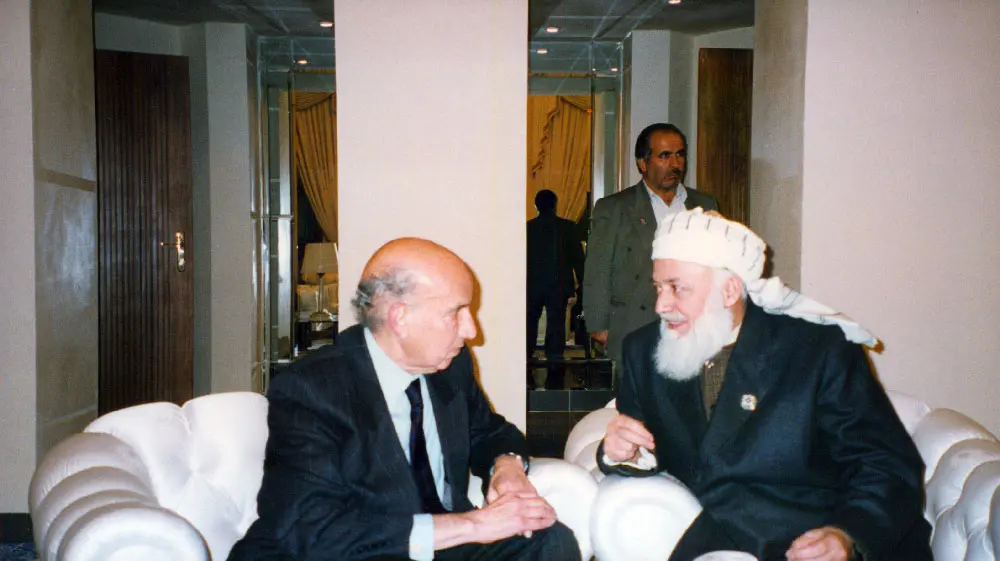
The formation of the United Islamic Liberation Front of Afghanistan would not have been accomplished, with the permission of Allah, had it not been for the deep concern of Ustadh Salem Azzam for the Unity of the Ummah, the Victory of the Jihad over the enemies of Islam and his great skills in diplomacy and political operation which he used for the strengthening of the Religion. The relationship established between Ustadh Salem and the Afghan Mujahideen would be long lasting and they would attend the conferences of the Islamic Council.
Links


Gallery