Islam Today (1983)
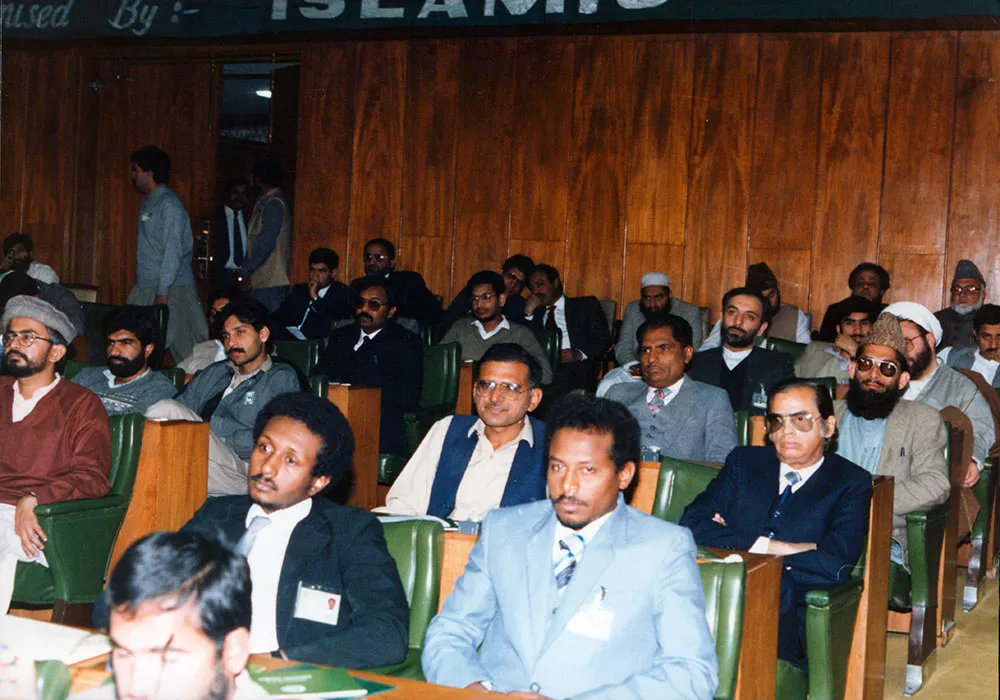
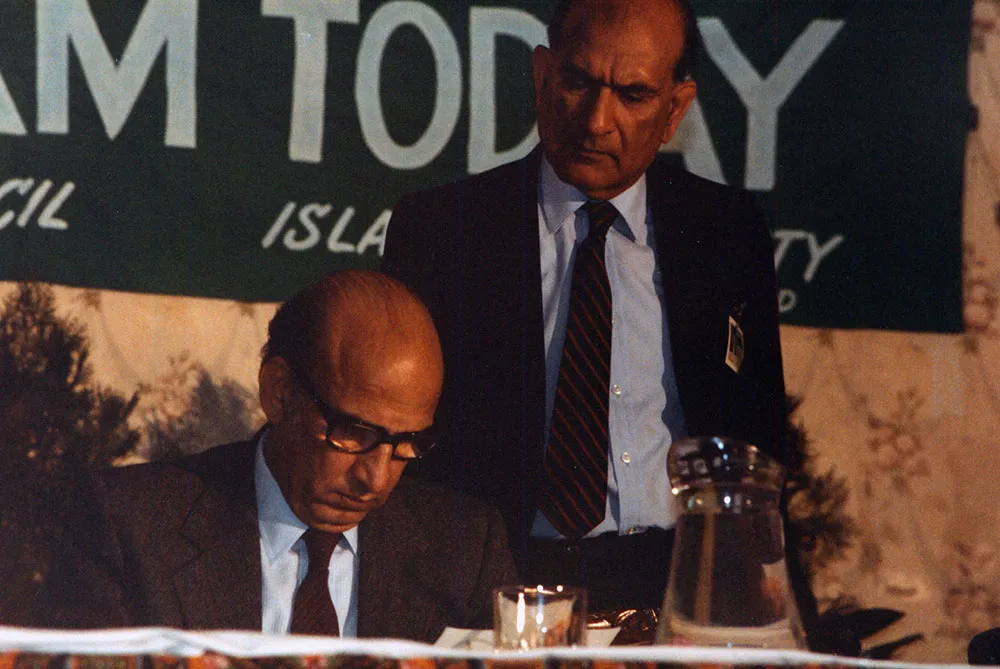
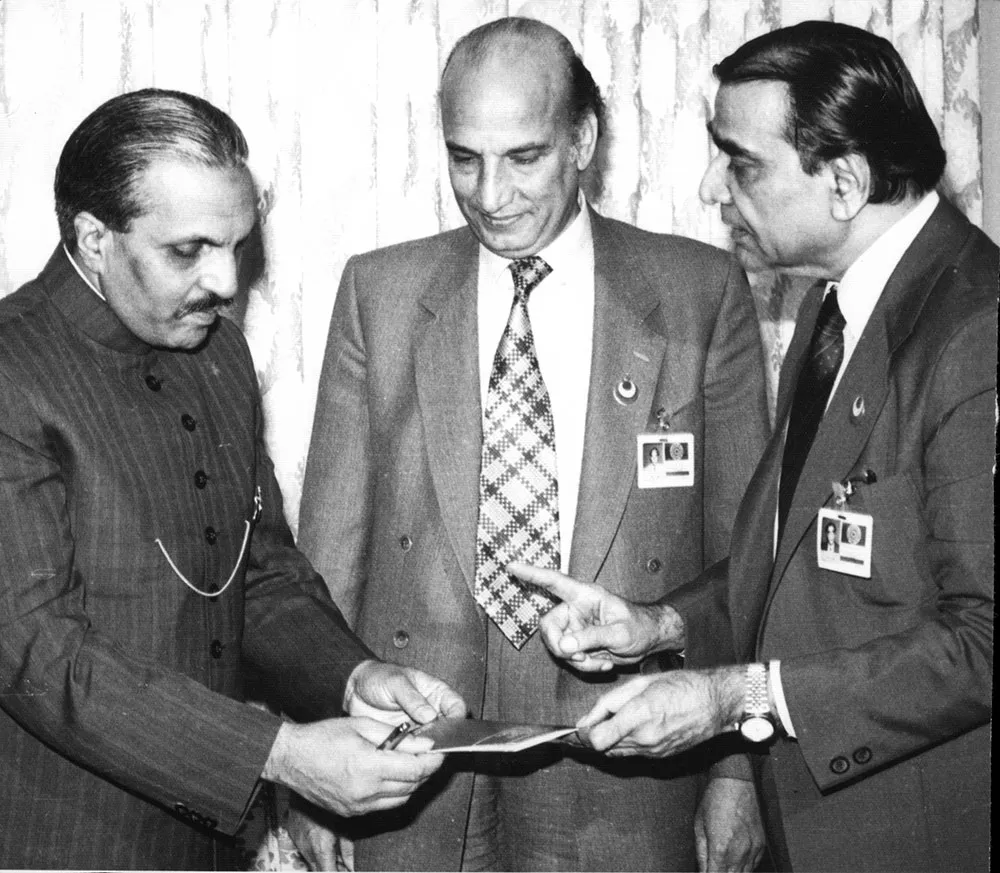
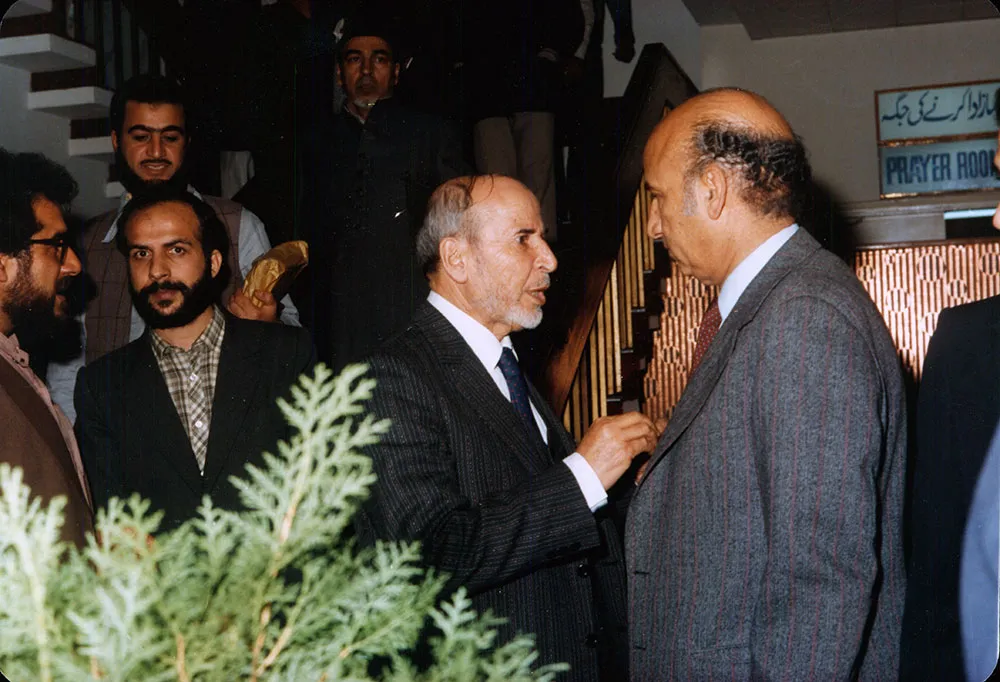
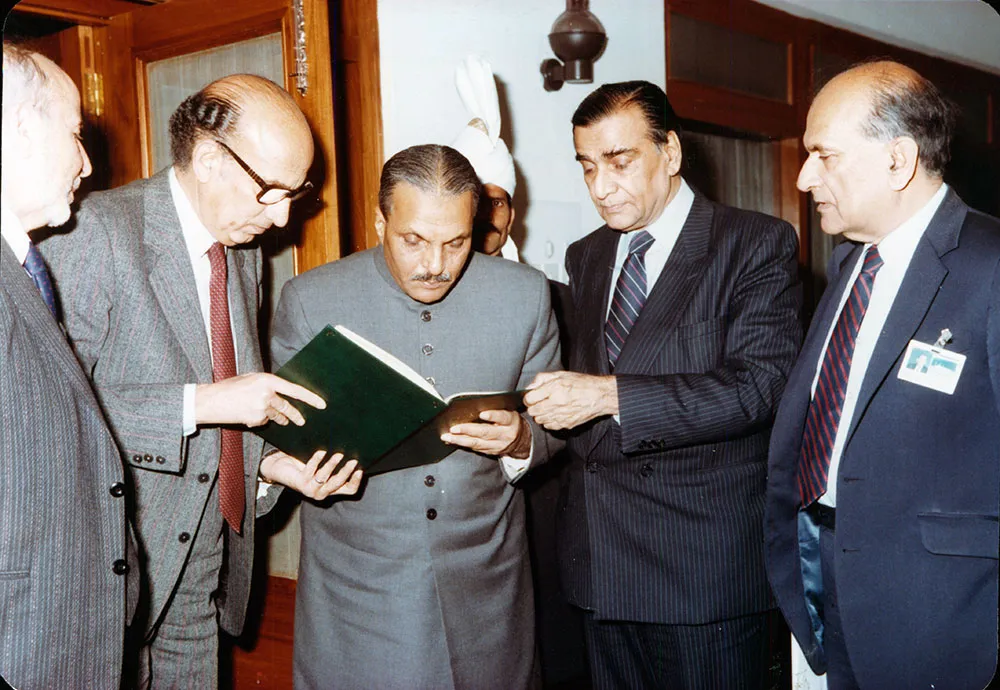
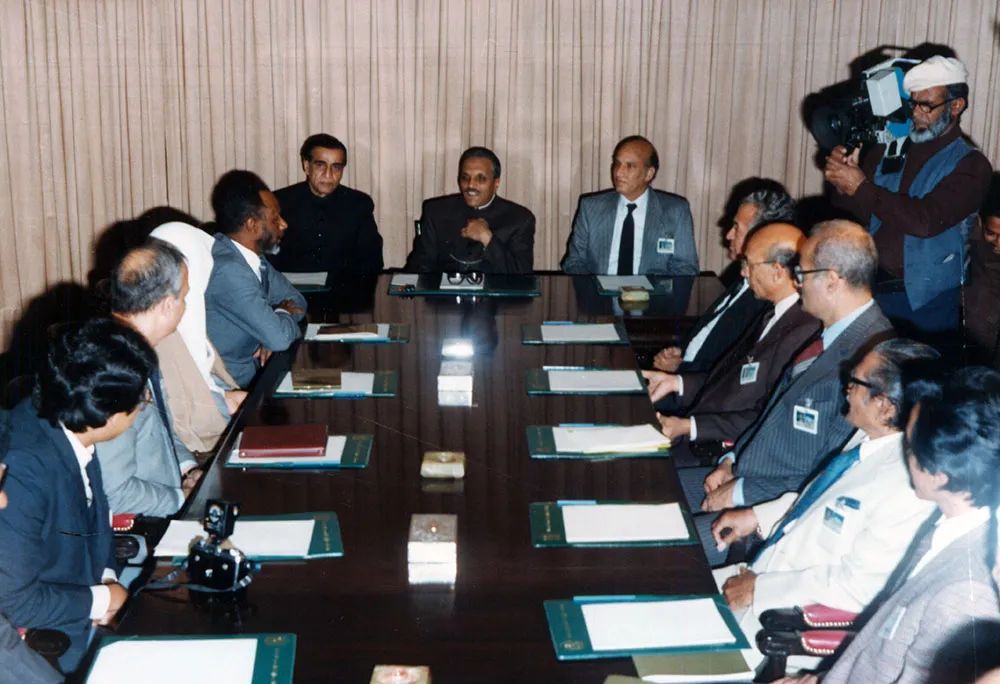
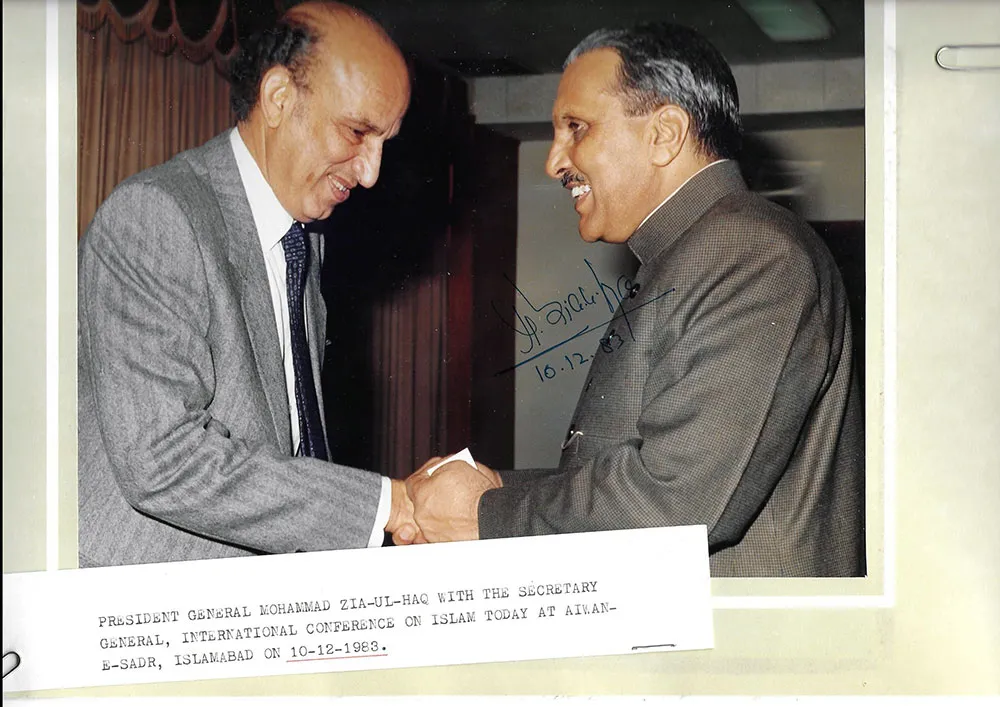
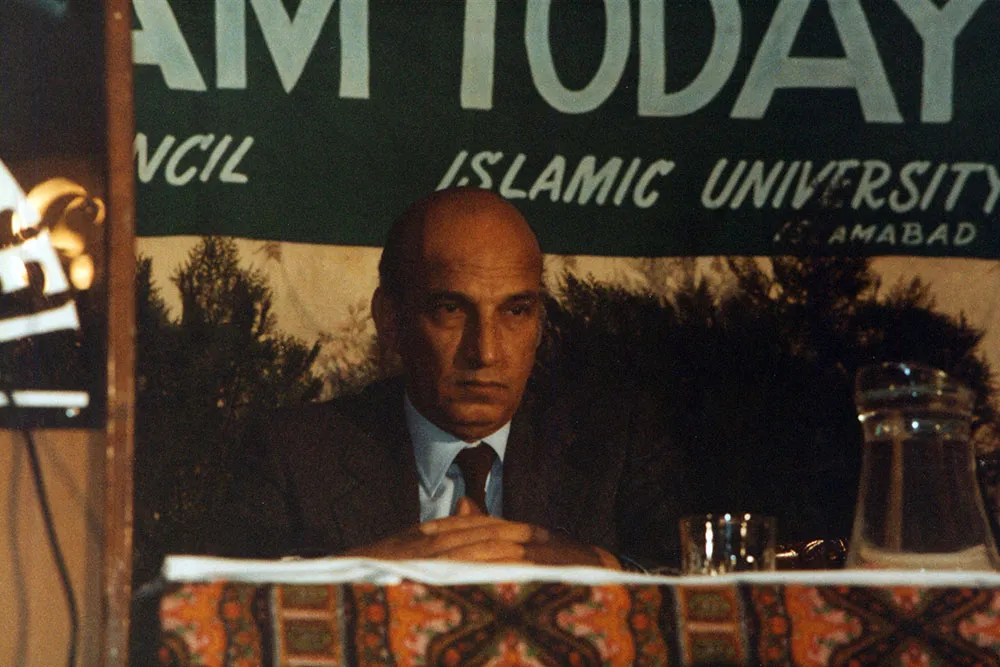
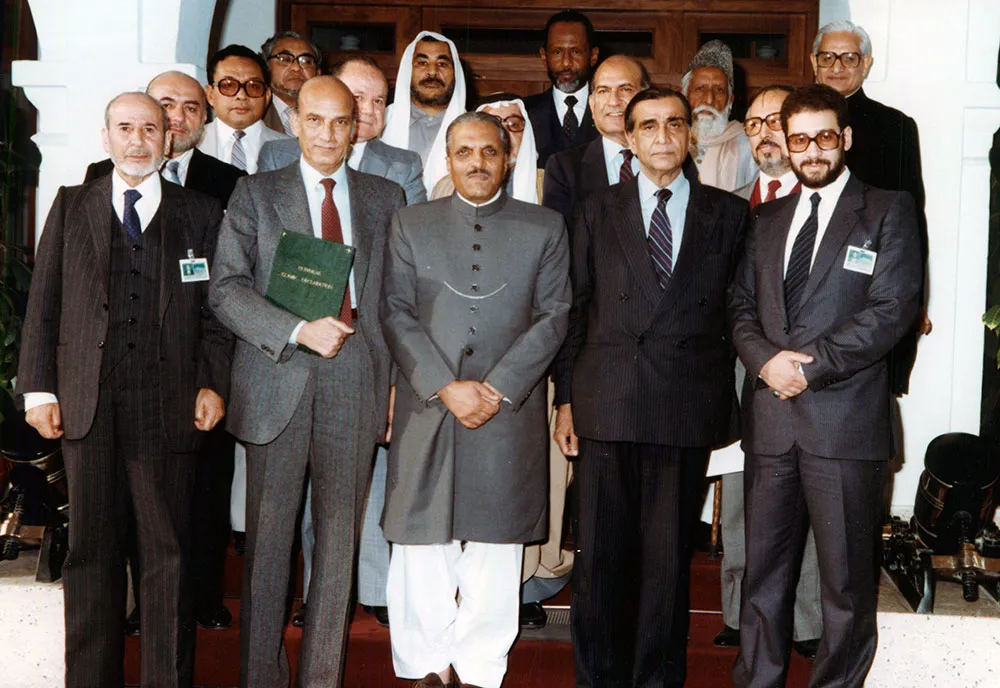
Another seminal event hosted by the Islamic Council was the International Islamic Conference on ‘Islam Today’ which was held between the 10th and 12th of December 1983. It was inaugurated by the President of the Islamic Republic of Pakistan, the President Shaheed Zia-ul-Haq. The conference saw the attendance of 95 delegates from different parts of the world, including the leadership of the Afghan Mujahideen. Islamabad itself was chosen as the site for the conference in order to affirm solidarity with the Muslim world and the historic struggle and Jihad of the Afghan people to liberate their land from occupation.
Sections
Introduction
The Council during this occasion released a seminal and historic document entitled ‘A Model of an Islamic Constitution’, spelling out the framework of an Islamic State in modern times. The document represents the consensus of a large number of scholars, jurists, statesmen and representatives of the Global Islamic Movement. The conference also reaffirmed the need to re-build the socio-political order of Muslim nations on the foundations of the Quran and Sunnah and for a more judicious utilisation of the economic resources of the Muslim world for the best interests of the Ummah.
In the final Communique, the conference passed eleven resolutions, the most prominent of which were on the Soviet occupation of Afghanistan, the recognition of the nascent Turkish Republic of Northern Cyprus, condemning America’s support for Israel and the conspiracy to balkanize Lebanon. A call was also made to support the right of self-determination of the peoples in Ogaden, Eritrea, Pattani, Moro and other Muslim lands where liberation movements are active, it also called upon the international community and in particular Muslims to support these causes. The conference also highlighted the denial of civil and human rights to Muslim communities in a number of areas including Kashmir and majority non-Muslim nations such as Thailand, Western Thrace, Burma, Ethiopia, Yugoslavia, Bulgaria and the Soviet Union.
Gallery