Prophet Muhammad (PBUH) and His Message (1980)
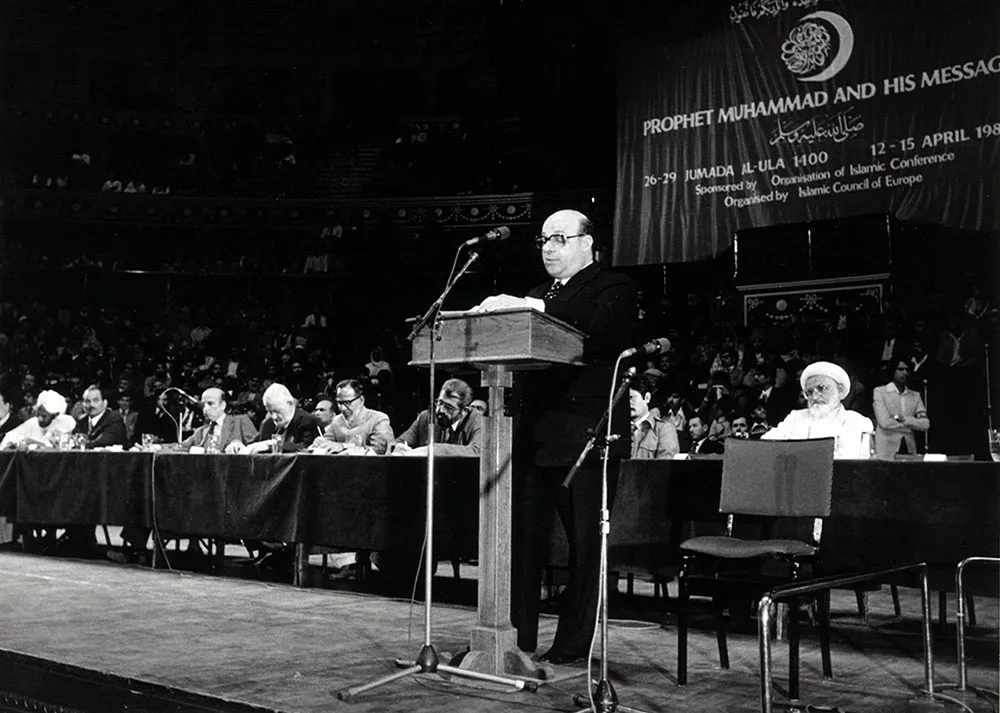
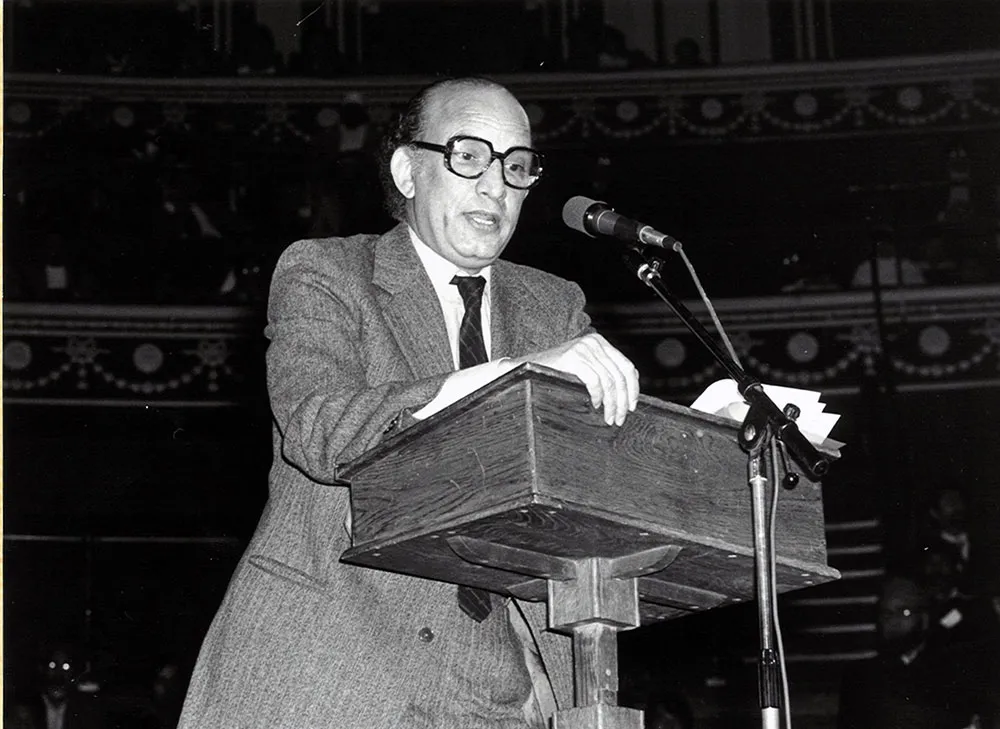
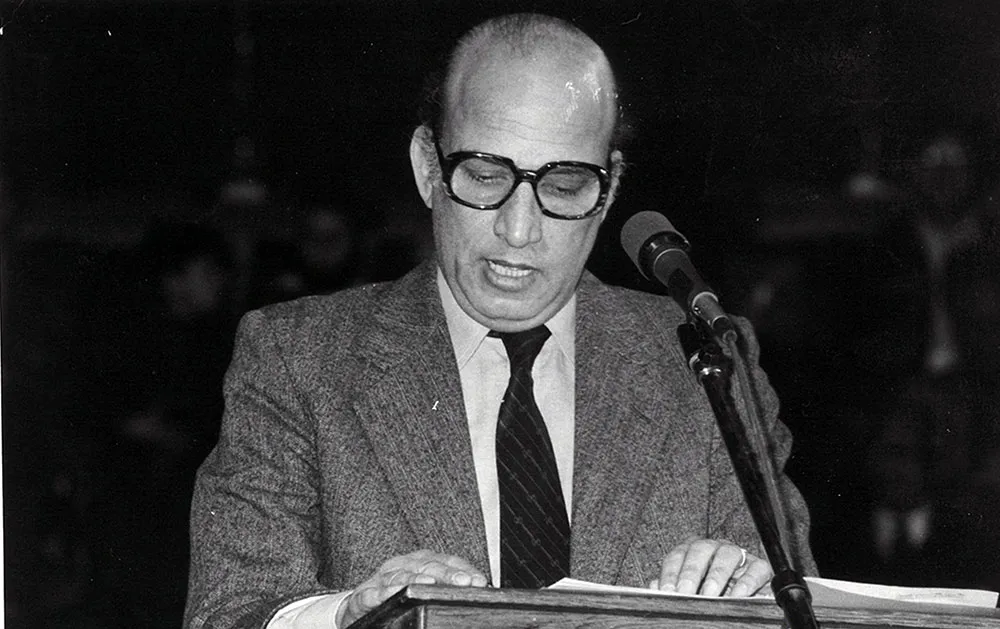
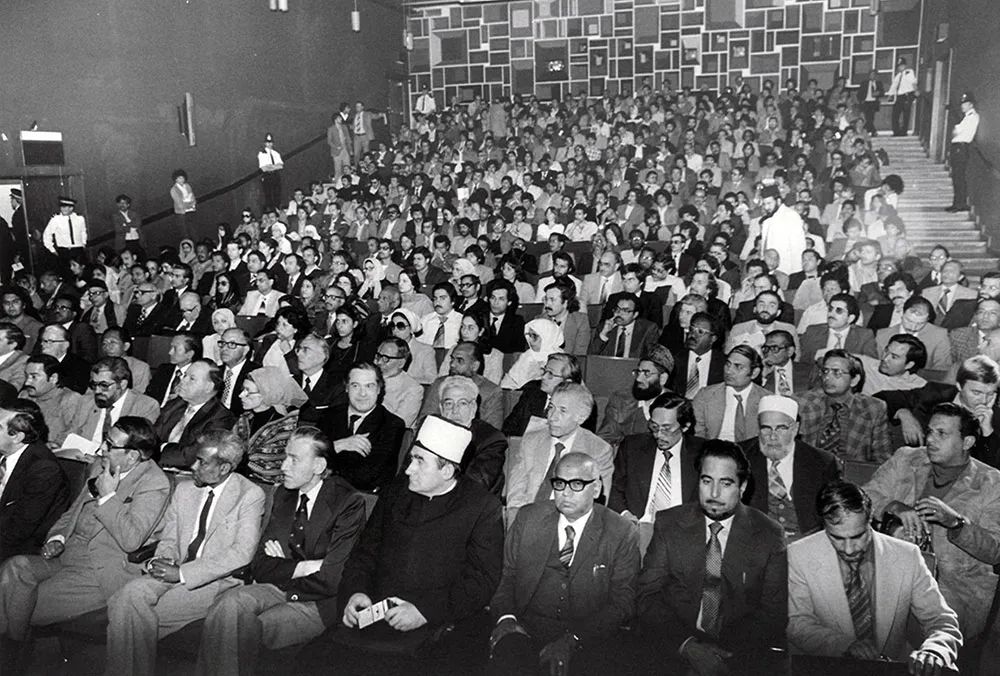
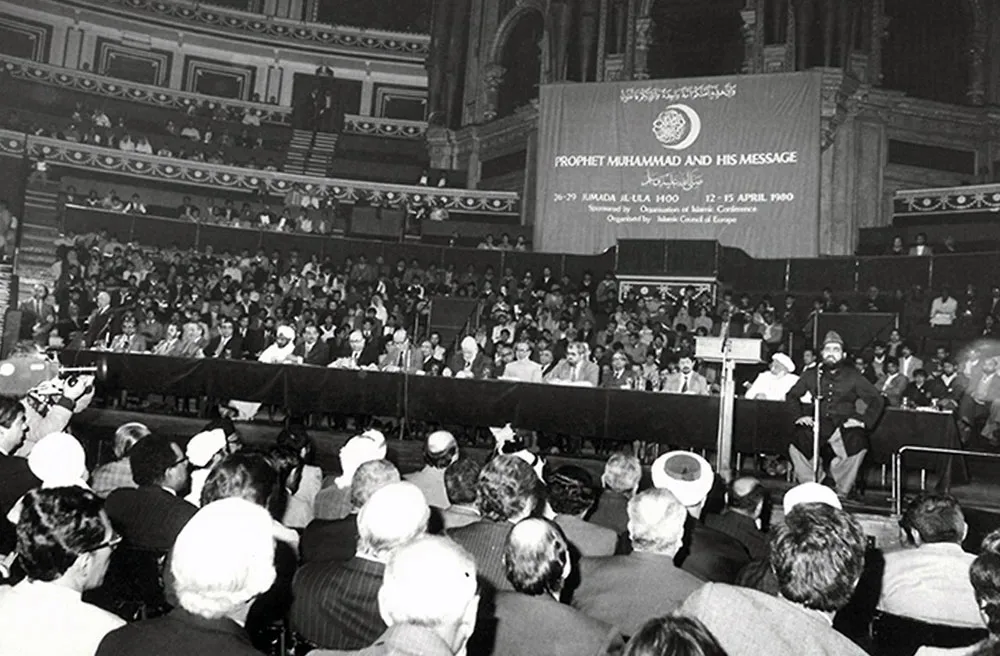
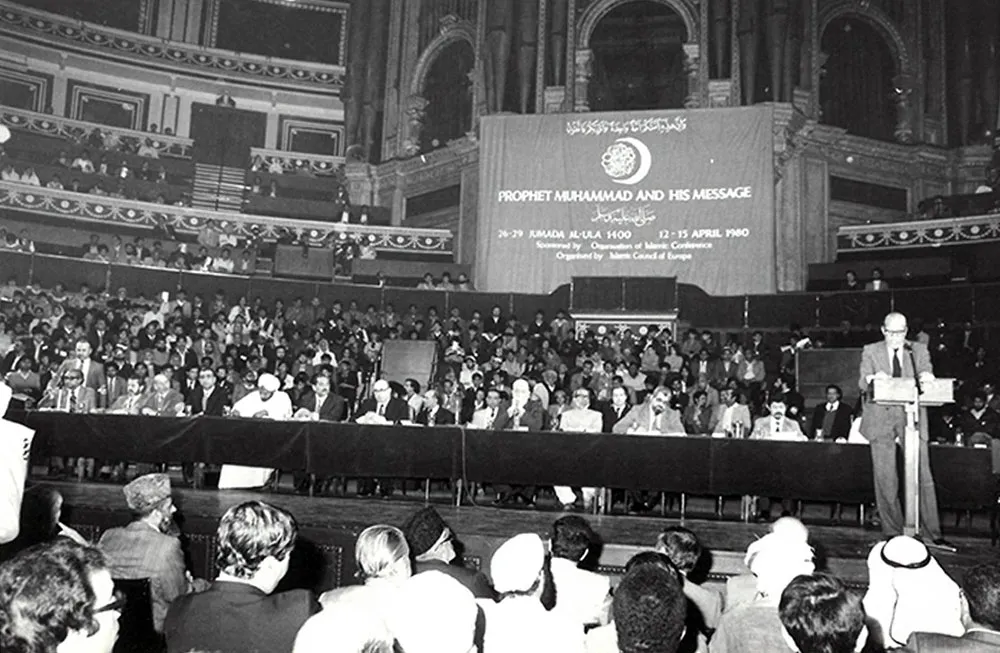
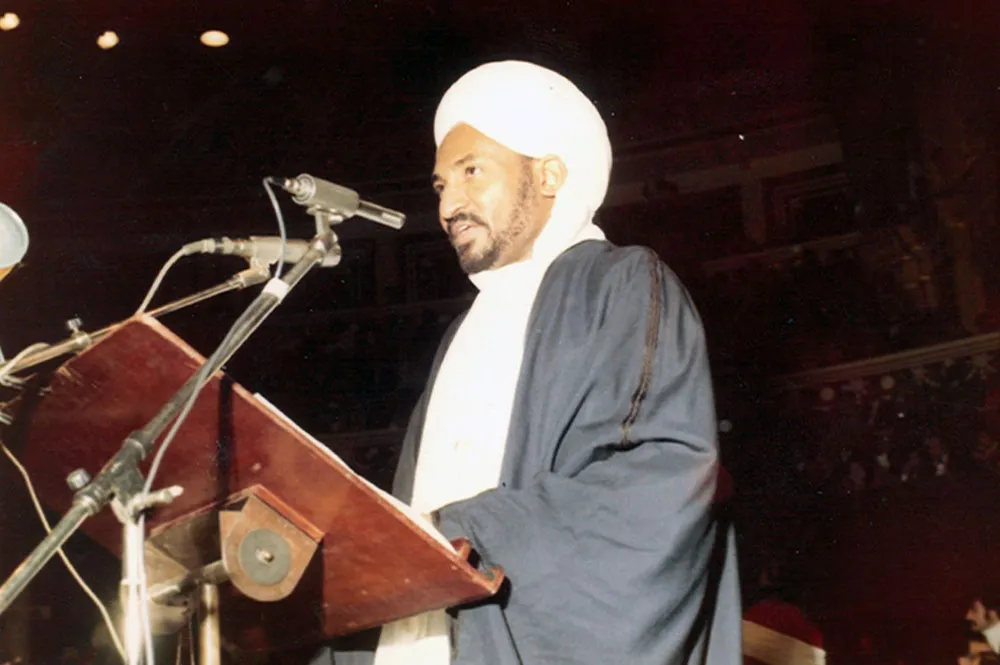
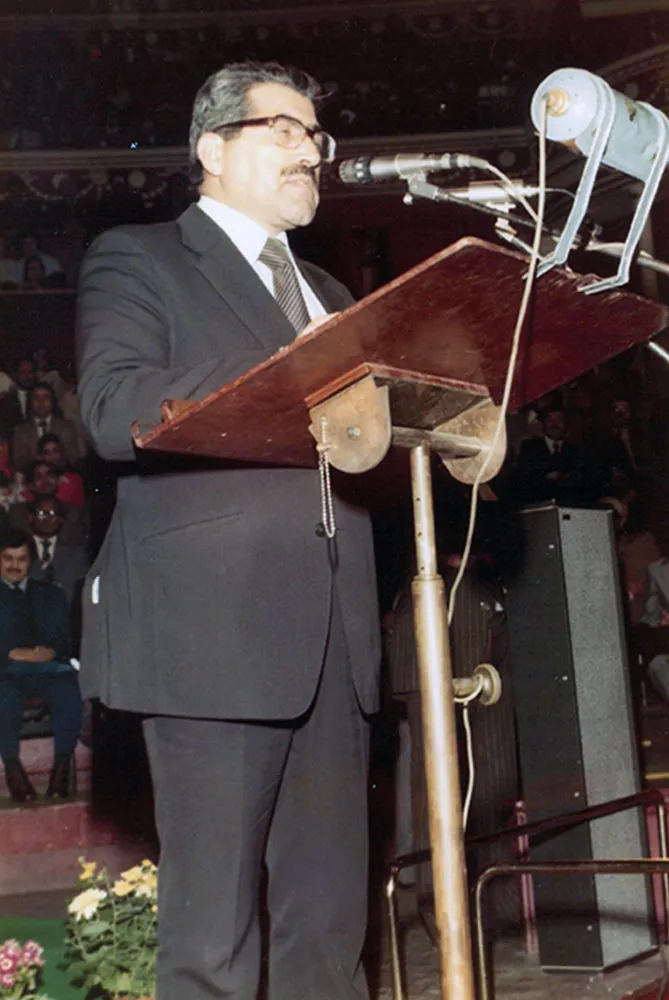
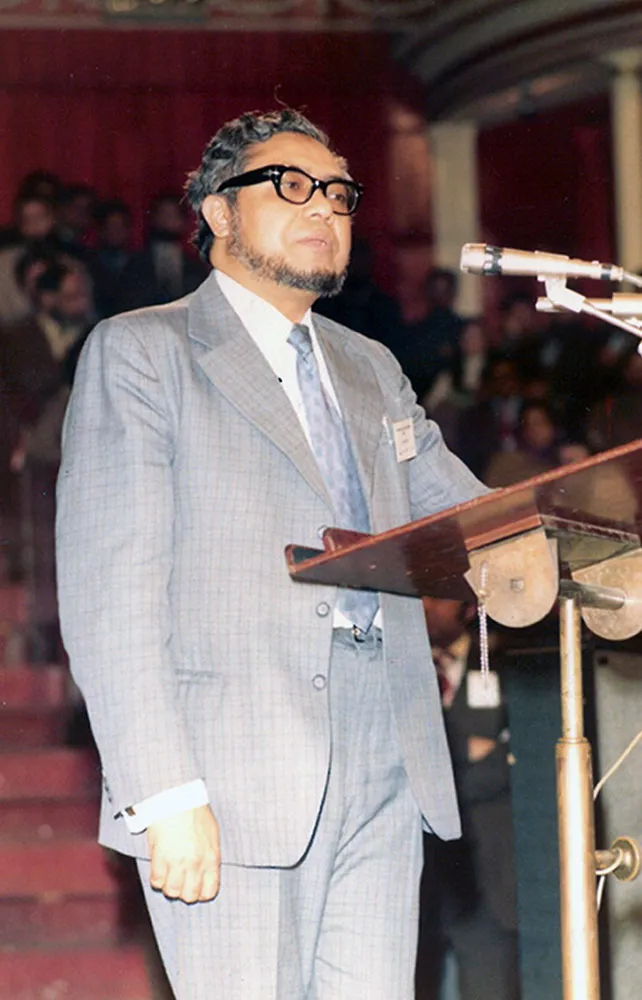
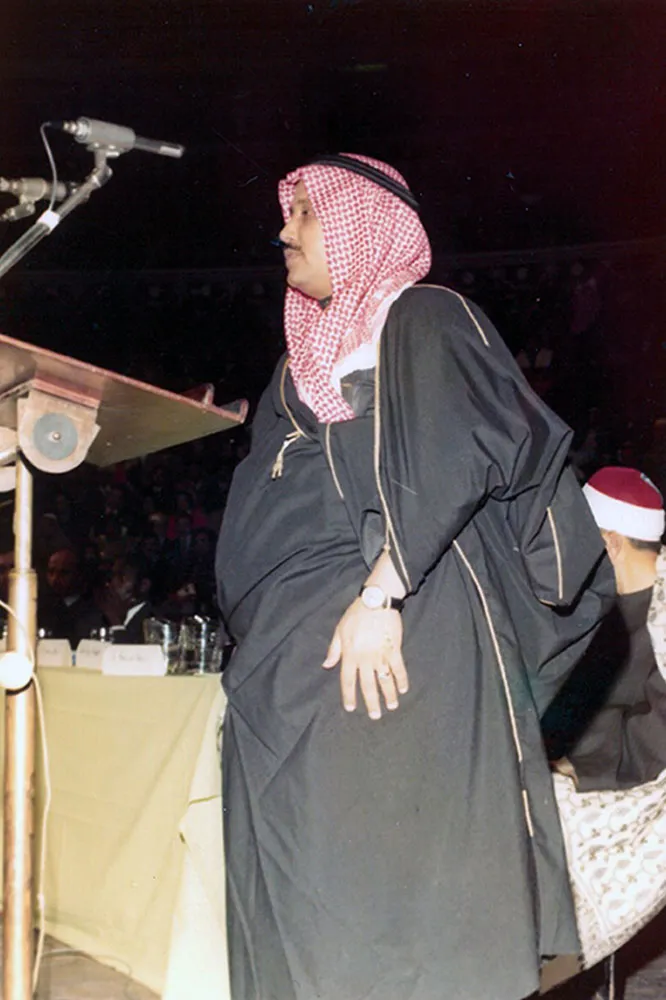
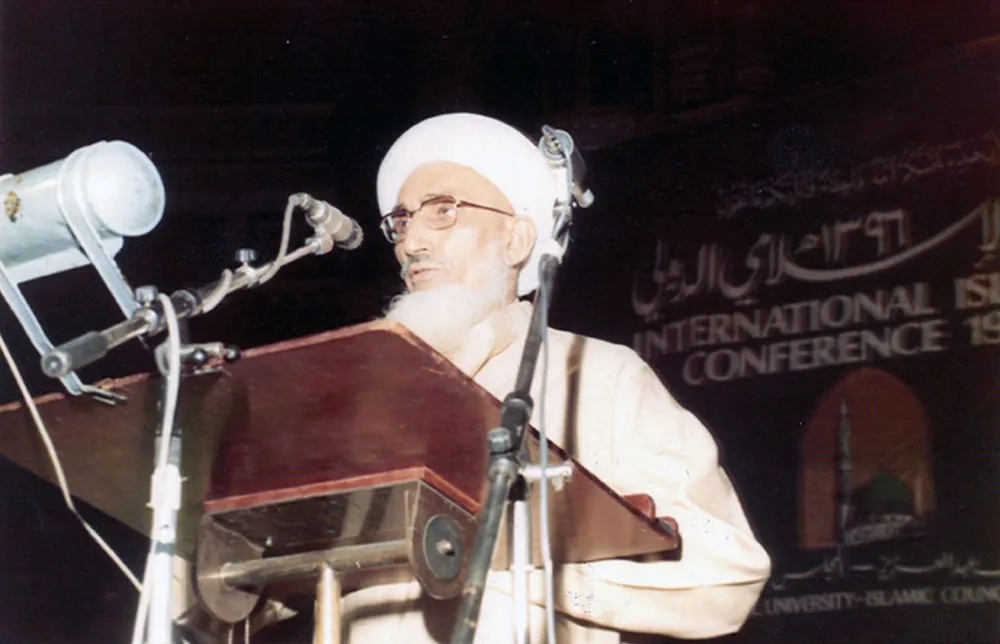
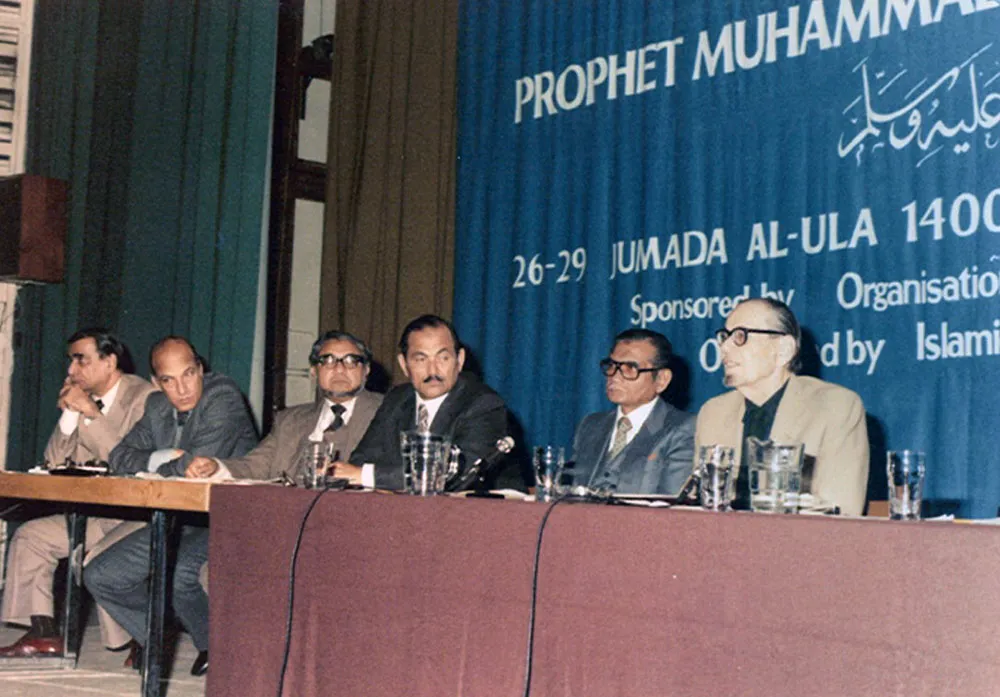
The Universal Islamic Declaration which was prepared by the Islamic Council of Europe in consultation with many leading Islamic scholars, thinkers and leaders from the Global Islamic Movement was presented at the Inaugural Session of the International conference on ‘Prophet Muhammad (PBUH) and his Message’ held between the 12th and 15th of April 1980 in London. The Council did not waver its attempt to present the correct image of Islam to the Western world and foster greater tolerance and understanding but at the same time the Universal Islamic Declaration also sought to call Muslims towards establishing an Islamic Order away from alien ideologies which have long dominated them.
Additionally, the Mujaddid of Islam and founder of Jamaat e Islami, Maulana Maududi (Rahimullah) proof-read the Universal Islamic Declaration. This demonstrates the scholarly credibility of the document and it shines light on the personal relationship that existed between Ustadh Salem Azzam and Maulana Maududi.
Sections
Introduction
During the conference various aspects of the life of the Prophet Muhammad (PBUH) were discussed and scholarly papers presented on the significance of Hijrah, Tawhid, Jihad, Islam’s impact on history, the spirit of the Islamic revolution and the political, social and economic systems of Islam. As well as this the main problems facing the Muslim Ummah were raised. The conference attracted attention and favourable coverage including a 5 column report from the UK newspaper, The Times which said:
‘The promulgation of a Universal Islamic Declaration by the Islamic Conference, now taking place in London, fills a gap that has long been felt in the West both by Muslims and Non-Muslims…. The possibility of such a declaration arises only from the existence of a body like the Islamic Council of Europe, with its general acceptability in the Muslim world as both authoritative and representative.’
During this conference a delegation from the dictatorial regime of Saddam Hussein had come with approximately 1 million USD to support the Council. However, upon hearing Ustadh Salem Azzam's declaration of support for the Iranian Revolution they proceeded to leave the Conference. This stir and the zealous support for the revolution and against the dictatorship of Saddam can be heard in the Conference Audio. Whilst more relevant to the '1990 Peace in the Gulf Conference', despite the fact that Ustadh Salem opposed to Saddam's tyrannical regime, he firmly stood against Western attacks on Iraq and the use of fellow Muslim nations to launch these aggressions.
Gallery